
A shopper who follows a partner’s recommendation arrives with expectations: the product will match the promise, the checkout will work, and their information will be handled carefully. A connection warning creates uncertainty at exactly the wrong moment.
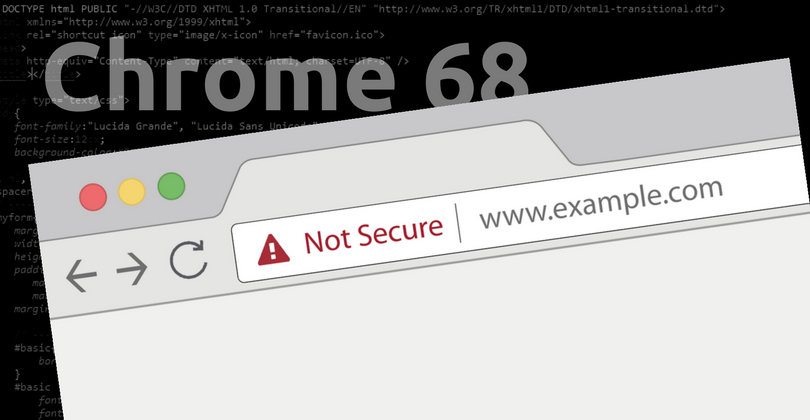
In July 2018, Chrome 68 began marking HTTP pages as “Not secure”. Secure connections remain a foundation of an ecommerce business.
Understand what HTTPS protects
HTTPS helps protect information traveling between a browser and a website. Google’s current connection-security guidance explains that an unsecured connection can allow others to view or change information in transit.
That protection matters when a customer submits contact details, account credentials or payment information. It also matters before checkout, while the customer explores your site.
A secure connection does not establish that every claim on a page is accurate or that a retailer will fulfill an order reliably. Treat HTTPS as one part of earning trust, alongside the product, service and policies your customer experiences.
Check the complete path to purchase
For affiliate teams, the relevant journey starts before the shopping cart. Review the pages partners actually promote, including older campaign pages and deep links.
Work with your web team to check that:
- Partner links resolve to the intended live product or category page.
- Landing pages, sign-in screens and checkout use HTTPS without connection warnings.
- Redirects preserve the intended destination and approved tracking parameters.
- Important embedded resources and payment steps work correctly.
- Certificate renewal and connection issues have a clear owner.
Test on a phone as well as a desktop. Follow a real promotional link through to checkout so you can identify problems a homepage-only review would miss.
Make the buying decision easier to trust
Connection security cannot answer every customer question. Product availability, delivery timing, total cost, returns and support also need to be easy to understand.
Place relevant reassurance near the decision it supports. Explain shipping costs before the final payment step. Make returns information accessible from product pages. Use accurate product descriptions and current images. Give customers a practical way to contact your team.
Avoid implying that a security badge guarantees the entire shopping experience. Specific, verifiable information gives customers a stronger basis for deciding.
Include trust in partner-program reviews
A publisher or creator can introduce a qualified customer; the brand still has to deliver a dependable experience. When conversion weakens, review the destination and checkout alongside traffic quality and the offer.
Our approach to affiliate and partner marketing connects partner activity with the experience after the click. Talk with our team about identifying gaps between your partner promotions and the customer journey.